What does it mean to design a workplace where everyone can thrive?
It’s a question that’s becoming increasingly important as organisations rethink how their offices support the people who use them. In the latest episode of the Design Lives Here podcast, our Interior Design Associate, Martha Andrews, explored why neuro-inclusive workplace design should be at the heart of every project—and why creating environments that support a diverse range of needs is no longer a nice-to-have, but a business imperative.
With an estimated one in four people identifying as neurodivergent, workplaces must move beyond designing for the “average” employee. Neurodiversity encompasses a broad spectrum of experiences, including autism, ADHD, dyslexia, dyspraxia and more. No two people experience their environment in the same way, which means there is no single design solution that works for everyone.
Choice and flexibility over one-size-fits-all
If there is one principle that underpins neuroinclusive workplace design, it’s choice.
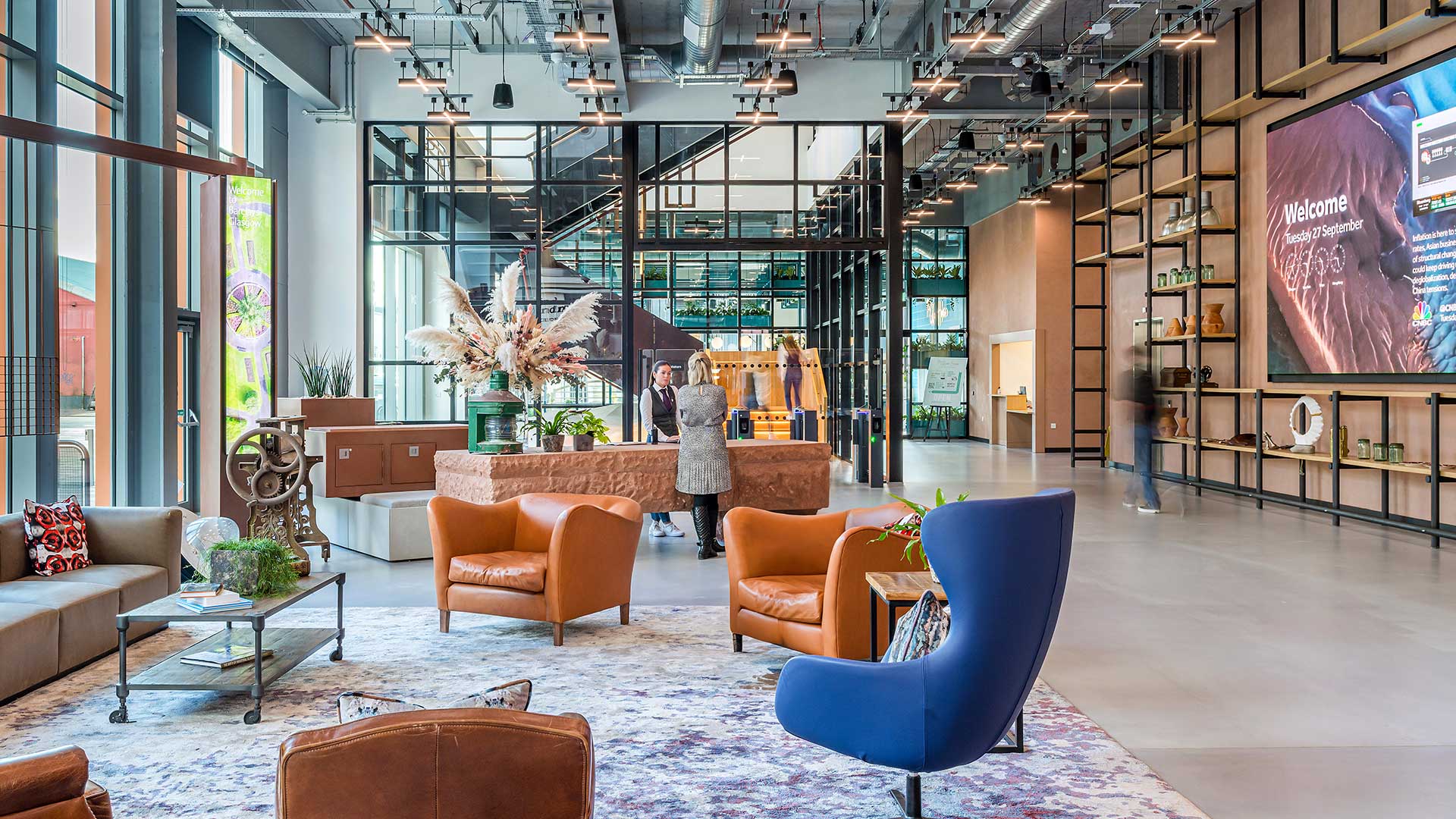
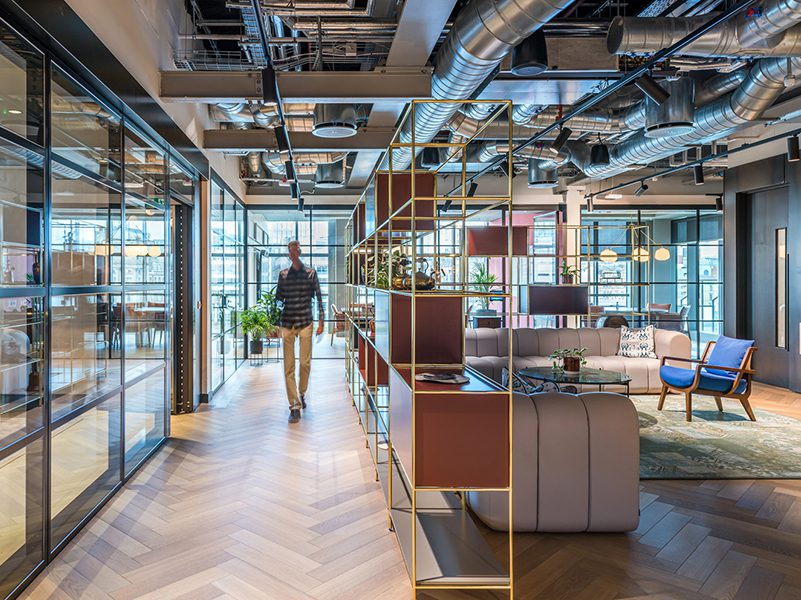
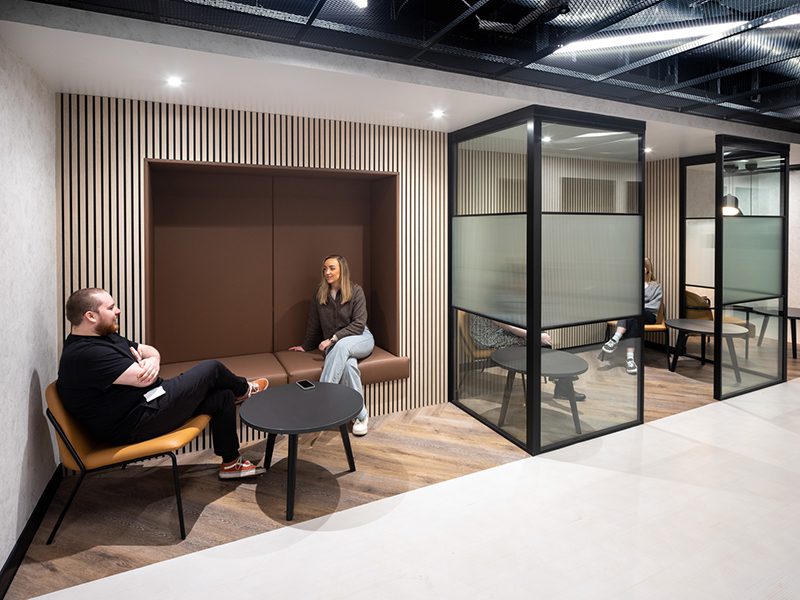
Some people do their best thinking in quiet, low-stimulation environments. Others thrive in the energy of collaborative spaces or even the background buzz of a café-style setting. This need for choice is also driving the rise of hybrid hospitality in workplace design, where offices borrow the comfort, flexibility and variety traditionally associated with hotels and hospitality environments.
This flexibility benefits everyone—not just neurodivergent employees. By giving people greater control over their environment, organisations can support wellbeing, productivity and collaboration across the entire workforce.
Designing with the senses in mind
Successful neuro-inclusive workplace design is often shaped by thoughtful, practical decisions rather than expensive interventions.
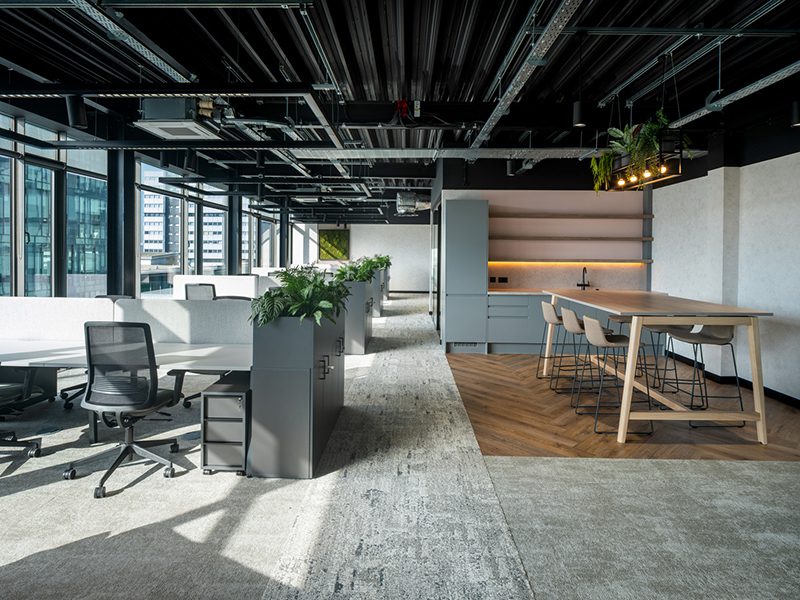
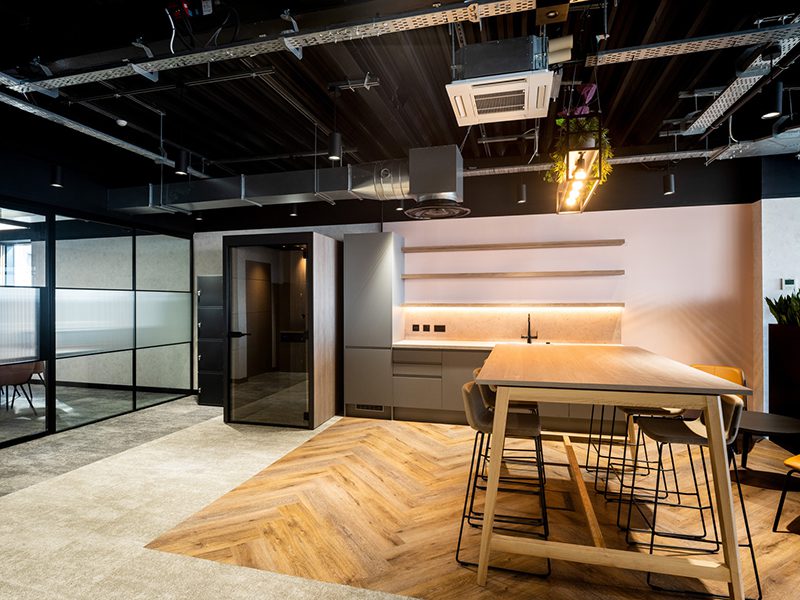
Acoustics, lighting, colour and spatial planning all influence how comfortable people feel in a space. Offering a range of environments—from quieter, softly lit areas for focused work to brighter, collaborative spaces for group activities—allows individuals to select the setting that best supports the task at hand.
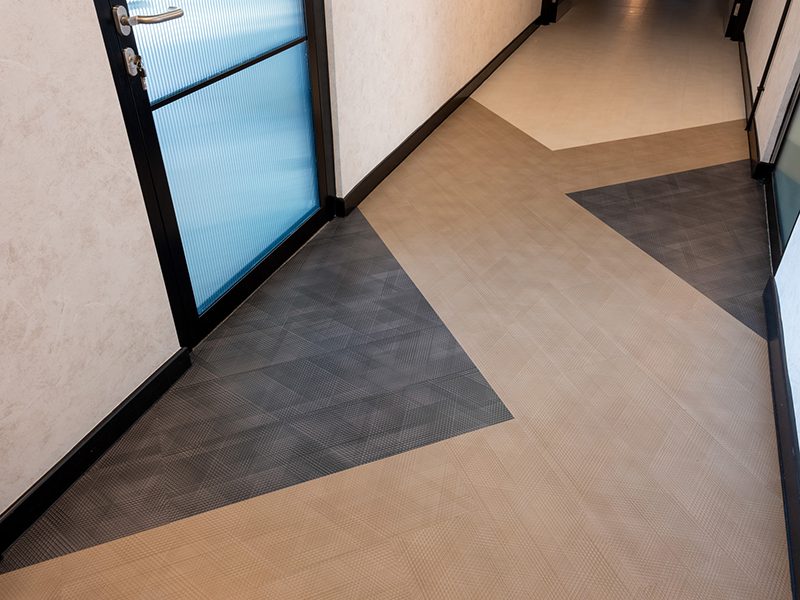
Colour and pattern also deserve careful consideration. Overly busy finishes can become distracting or overwhelming in areas where concentration is required, while calmer palettes with carefully introduced accents can help create environments that feel both engaging and comfortable.
Wayfinding is another often-overlooked aspect of inclusive design. Clear, intuitive navigation, consistent signage and recognisable landmarks help people move confidently through buildings, reducing unnecessary stress and creating a greater sense of belonging.
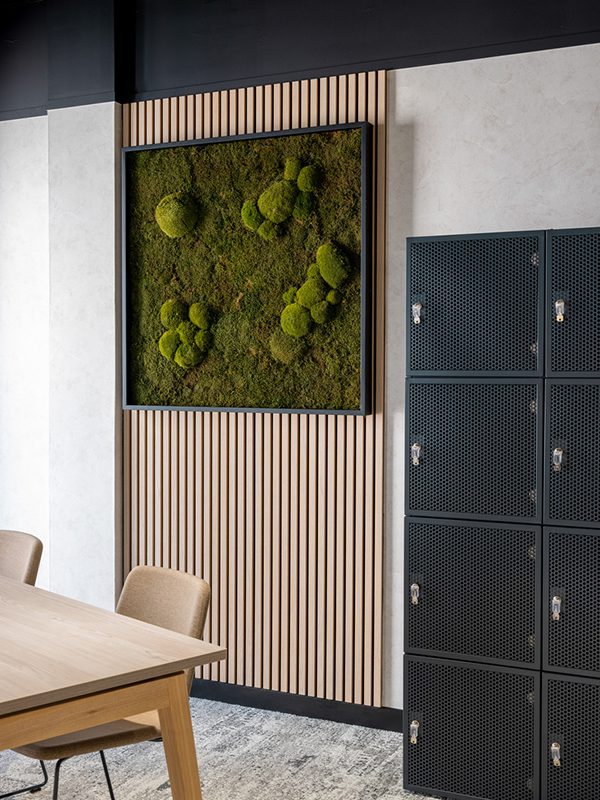
Even biophilic design extends beyond introducing plants into an office. Natural materials, daylight, views and connections to the outdoors all contribute to environments that support both mental wellbeing and cognitive performance.
The business case for inclusive design
Designing inclusively isn’t simply about meeting accessibility requirements—it’s about creating workplaces that perform better for everyone.
Research from Deloitte suggests that every £1 invested in mental health support can generate £4.70 in return. Organisations such as Barclays have also demonstrated the long-term value of embedding inclusive design principles into workplace projects from the outset, significantly reducing the need for costly retrofitting later.
Inclusive workplaces also play an increasingly important role in attracting and retaining talent. As expectations around workplace experience continue to evolve, employees are looking for environments that genuinely support how they work, rather than expecting individuals to adapt to a single way of working. With younger generations placing increasing importance on workplace wellbeing and inclusion, neuro-inclusive workplace design is becoming a key consideration for organisations looking to recruit and retain the best people.
Lessons from healthcare design
Martha’s background in healthcare design has shaped her perspective on workplace environments.
Healthcare settings have long recognised the importance of designing for a wide range of physical, cognitive and sensory needs. Applying the same principles to workplaces encourages designers to think beyond compliance and consider how environments can actively support people throughout their day.
Rather than asking people to adapt to buildings, the goal of neuroinclusive workplace design is to create buildings that adapt to people.
Looking ahead
The future workplace isn’t about creating a single “perfect” office. It’s about designing places that recognise people work differently and providing the choice, flexibility and support that allows everyone to perform at their best.
As organisations continue to evolve, neuroinclusive workplace design will become an increasingly important part of creating workplaces that are healthier, more productive and better equipped to attract and retain talent.
To hear more from Martha on this topic, listen to her conversation on the latest episode of Design Lives Here.