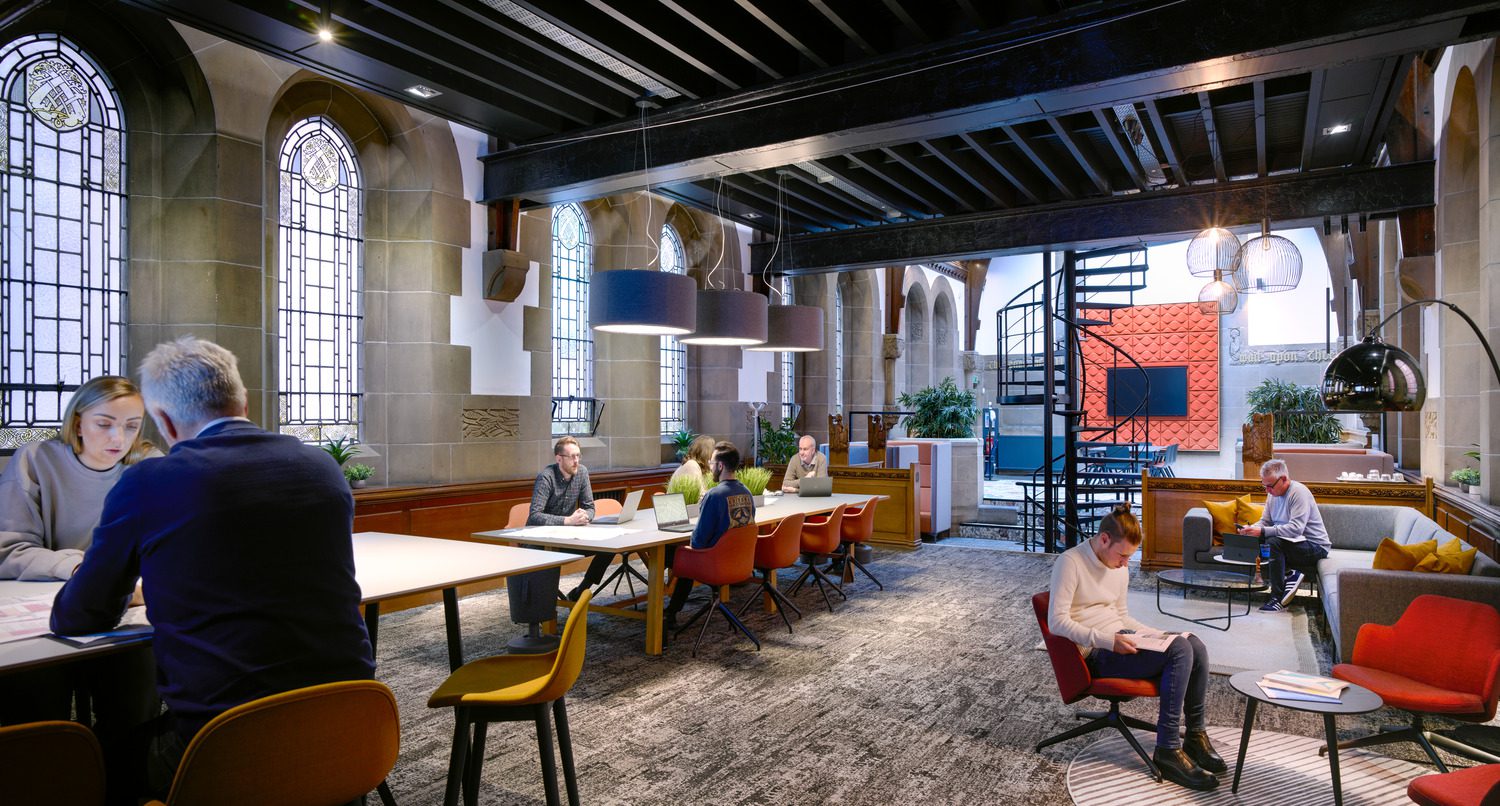
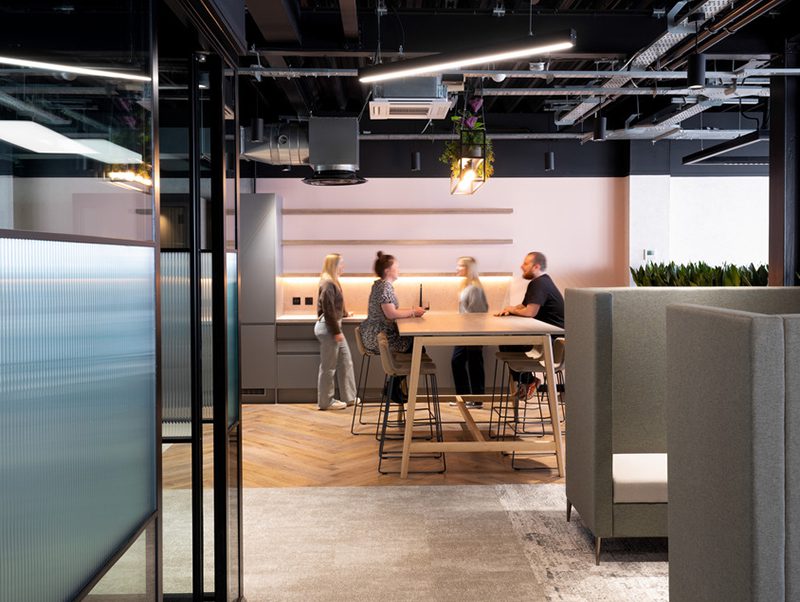
The future of workplace design was at the centre of discussions at this year’s BCO Conference in Edinburgh, where industry leaders explored how offices can evolve to become destinations that inspire creativity, collaboration and connection. As hybrid working continues to reshape expectations, one message was clear: workplaces must offer experiences that are worth the journey and provide something people cannot replicate at home. Across the conference, themes of wellbeing, inclusivity and adaptability emerged as critical drivers of successful office environments, while conversations around AI highlighted both opportunity and balance.
Creating Workplaces People Choose
One of the strongest themes throughout the conference was the idea that offices must now “earn the commute”.
Forward-thinking organisations are increasingly taking inspiration from the hospitality sector, focusing on creating engaging, experience-led environments that encourage people to return. The shift in mindset is significant — offices are no longer simply buildings occupied by tenants; they are workspaces designed for customers with evolving expectations.
Successful workplace design is becoming increasingly responsive rather than static. Offices of the future must adapt alongside the people and organisations that use them, creating flexible environments that support changing needs and behaviours.
Demand for flexible workspace solutions continues to rise, reinforcing the importance of adaptable layouts and varied environments. Alongside this, workplace strategy is evolving from traditional business-to-business thinking towards a more people-centred approach, where the needs of end users are considered throughout the design process.
The conference reinforced that workplace environments should actively protect and promote organisational culture, local identity and community. The conclusion was simple: the future does not require more offices — it requires better ones.
Designing for Everyone
Workplace wellbeing remained a major focus throughout the conference, with particular emphasis on designing for multi-generational workforces and recognising that no two organisations operate in the same way.
Open-plan offices continue to have value, but only when supported by a variety of spaces that accommodate different ways of working. Focus environments should not be viewed as a single solution but as a spectrum of settings that allow individuals to choose spaces that match their needs and tasks.
The relationship between workplace design and productivity was explored in depth. Appropriate environments can improve time management, reduce task switching and create opportunities for deeper focus. Equally, spaces that support rest and recovery are increasingly recognised as essential contributors to performance.
A recurring idea throughout the discussion was that effective workplaces require contrast. For every collaborative area, there should be quieter alternatives and options in between, allowing employees to move seamlessly between different modes of work.
The importance of workplace quality is becoming even more pronounced among younger generations, with working environments increasingly influencing career decisions and employee retention.
Inclusive design also featured prominently, with speakers emphasising that creating accessible workplaces is not about meeting minimum standards — it is about designing environments that work better for everyone. Conversations around neuroinclusion highlighted that needs can change over time and that thoughtful design choices benefit all users, not just specific groups.
Importantly, examples shared at the conference demonstrated that investing in inclusive workplace design early can reduce the need for expensive future adaptations.
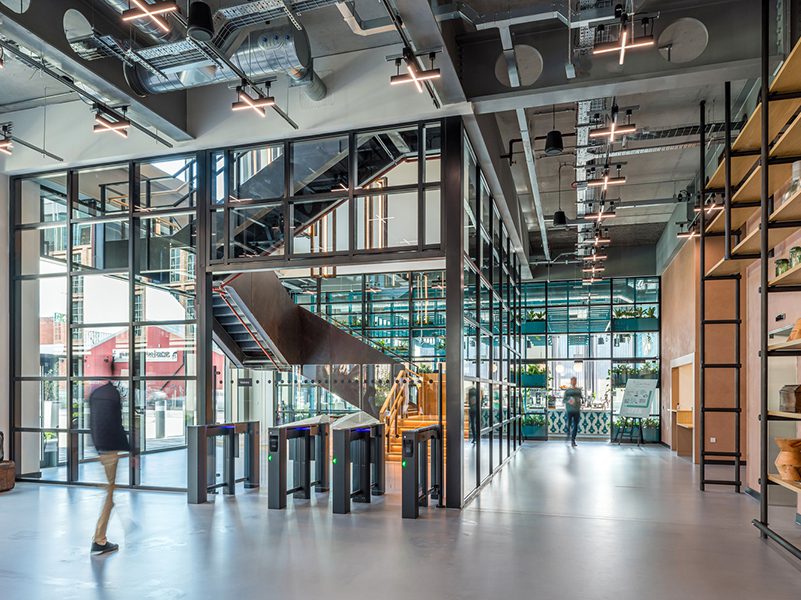
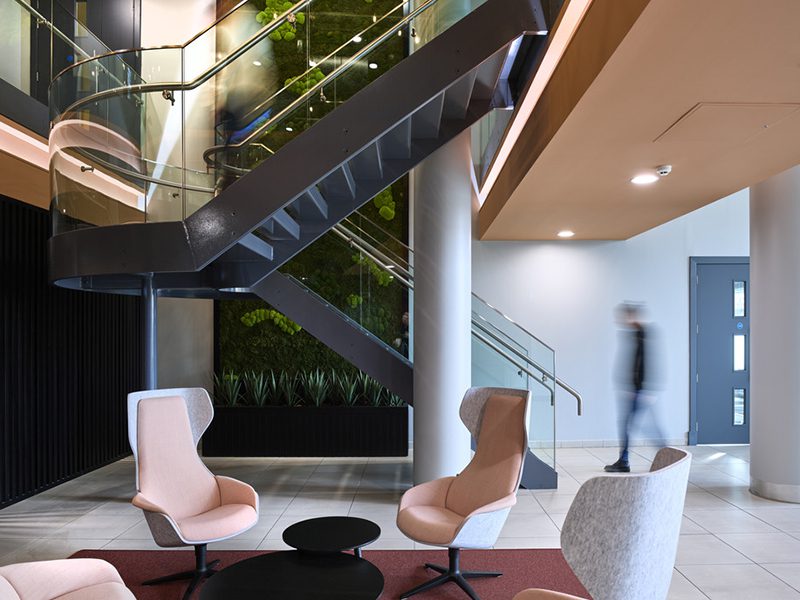
The Role of AI in the Workplace
Artificial intelligence generated some of the most balanced and thought-provoking conversations at the event.
Rather than replacing offices, the consensus was that AI is accelerating a transformation in their purpose. Offices are becoming less focused on routine or repetitive work and increasingly centred around collaboration, creativity and meaningful interaction.
This shift changes the conversation from occupancy metrics to outcomes and experiences. If AI can improve efficiency and automate repetitive tasks, offices have the opportunity to become spaces where people come together to generate ideas, solve problems and build stronger relationships.
Discussions also recognised differing perspectives across generations. While some see AI as an opportunity to increase efficiency, others are concerned about how emerging technologies may affect future career pathways.
There was broad agreement that education and workforce development may need to evolve in response to AI’s impact on entry-level roles. Future talent may need less emphasis on repetitive task execution and greater focus on creativity, critical thinking and collaboration.
While AI can challenge assumptions and improve decision-making, delegates highlighted that it cannot replicate the richness, diversity and spontaneity of human interaction.
Key Takeaway
BCO Conference 2026 reinforced a clear message for businesses, developers and workplace designers: the most successful offices of the future will prioritise people.
Adaptable spaces, inclusive environments and purposeful experiences will define the next generation of workplaces — supported by technology, but centred on human creativity, collaboration and wellbeing.